






partner
Transforming Invisible Buildings
Reactive vacant and underutilised buildings towards affordable housing and energy-efficient buildings in Europe
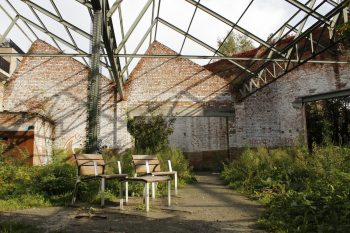
As, according to the latest data, buildings account for 36% of CO₂ emissions and 40% of energy consumption, and there are at least 30 million vacant buildings in the EU, why don’t we reactivate these existing spaces instead of constructing new buildings, which demand significant energy, raw materials, and land?
The Transforming Invisible Buildings project addresses both energy efficiency and the housing crisis by breathing new life into vacant and underutilised buildings instead of constructing new ones. Implemented in Zagreb (Croatia), Ljubljana (Slovenia), and Athens (Greece), the project empowers One-Stop-Shop (OSS) services by transforming them into urban transformation hubs capable of addressing both efficiency and spatial planning.
The project’s key activities include vacancy mapping, policy labs, and capacity-building workshops to test policy incentives and engage stakeholders (public officers, policymakers, citizens, SMEs, etc.). By testing this model in three pilot cities, carrying out advocacy work, and extending it through replication in six additional cities, the project will:
- Influence national strategies (NECPs, LTRSs)
- Support the implementation of EU-level policies (EPBD, EU Renovation Wave)
- Trigger local policy change in the use of building stock and land
- Pave the way to put back on the housing market utilised buildings
By integrating vacancy strategies into OSS services, Invisible Buildings will improve building efficiency, extend lifespans, and optimise energy consumption. Municipalities will be equipped with policy tools and tested interventions to facilitate vacancy reactivation. The replication programme will ensure knowledge transfer across Europe, while advocacy efforts will influence EU and national policies, positioning vacant space reactivation as a key element of urban sustainability strategies.
This project is part of the European Climate Initiative (EUKI) of the German Federal Ministry for the Environment, Climate Action, Nature Conservation and Nuclear Safety (BMUKN) and will run until January 2028.

